
There’s nothing more exciting (and adorable) than bringing home a new puppy! But along with the cuddles and zoomies comes a big responsibility: caring for your puppy the right way. From training to teething, your little furball needs love, patience, and the right nutrition to grow into a healthy, happy dog.
- ✅ 5 foods dogs can eat safely
- ❌ 5 foods you should never give your puppy
- 🍎 A few fun nutrition swaps for healthier dog treats
✅ 5 Human Foods Dogs Can Eat Without Worry
It’s tempting to share a bite of your snack with those puppy eyes staring up at you. Good news—some human foods are perfectly safe for dogs (in moderation, of course)!
Here are 5 dog-friendly foods you can share with your pup:
- Carrots 🥕 – Crunchy and low-calorie, great for teething puppies!
- Blueberries 🫐 – Packed with antioxidants, they’re like tiny power snacks.
- Plain chicken 🍗 – A great source of lean protein (just no seasoning!).
- Peanut butter 🥜 – Dogs love it, and it’s great for stuffing inside toys. Choose xylitol-free only.
- Pumpkin 🎃 – Excellent for digestion and gentle on sensitive tummies.
These treats are not only safe—they’re often healthier than many store-bought options filled with preservatives.
❌ 5 Foods That Are Dangerous for Dogs
Some foods that are harmless (even healthy) for humans can be toxic—or deadly—for dogs, especially curious puppies.
Here are 5 foods your puppy should never eat:
- Chocolate 🍫 – Contains theobromine, which is toxic to dogs.
- Grapes & raisins 🍇 – Can cause kidney failure even in small amounts.
- Onions & garlic 🧄 – These damage red blood cells and lead to anemia.
- Avocado 🥑 – Contains persin, which can cause vomiting and diarrhea.
- Macadamia nuts – Highly toxic and can cause muscle weakness and tremors.
When in doubt, always research or ask your vet before introducing something new to your dog’s diet.
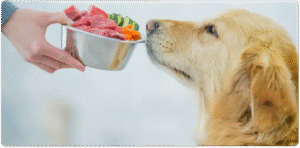
🍖 What’s Healthier for Dogs: Dry Kibble or Fresh Food?
This is one of the most hotly debated topics in dog nutrition. So let’s simplify:
- Dry kibble is convenient, shelf-stable, and usually fortified with vitamins—but quality varies widely.
- Fresh food or homemade meals can be more nutritious and digestible, but they require careful planning to ensure balanced nutrients.
Many pet parents are now turning to high-quality, grain-free kibble mixed with fresh foods like chicken or veggies to create a well-rounded bowl.
Pro Tip: Always make food transitions gradually to avoid upsetting your puppy’s tummy.
🐶 Final Word: Feed With Love (and Knowledge)
Your puppy depends on you for everything—especially when it comes to what they eat. Learning about safe dog foods, dangerous snacks, and the healthiest choices is part of being a great dog parent.
So next time your pup stares up at you mid-snack, you’ll know exactly what’s safe to share—and what’s a hard no.
Want to explore more smart pet care tips and genius products?
🐾 Visit Goodog for guides, reviews, and top-rated Amazon picks for your pup!